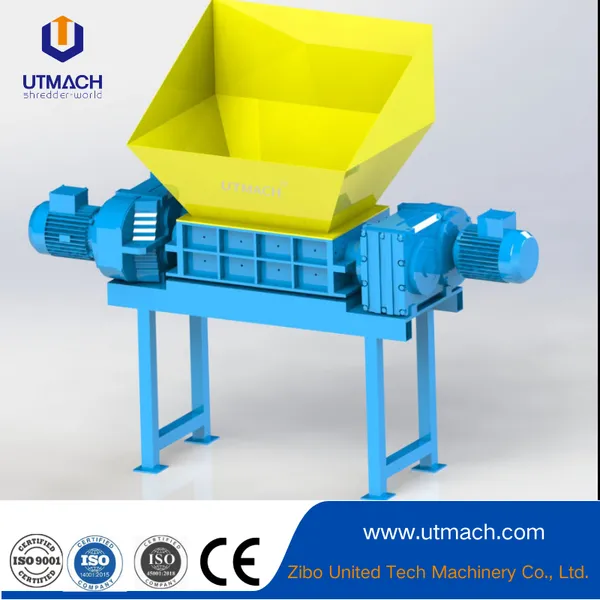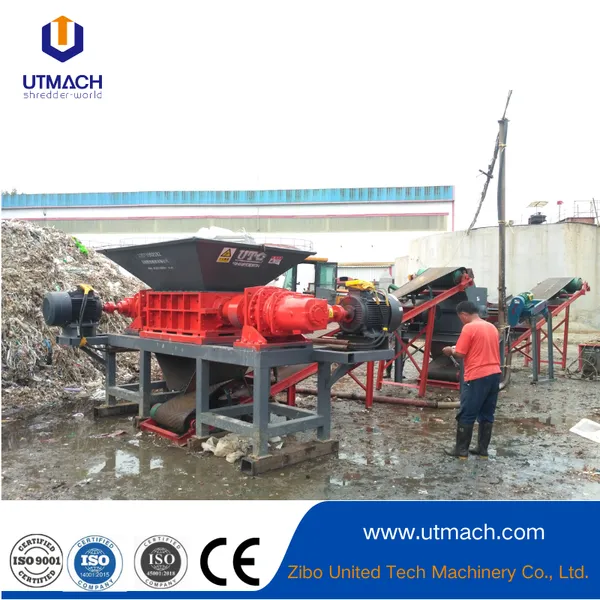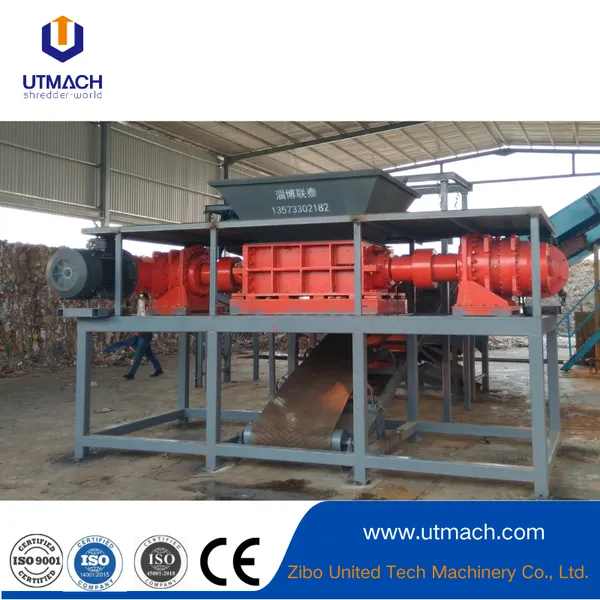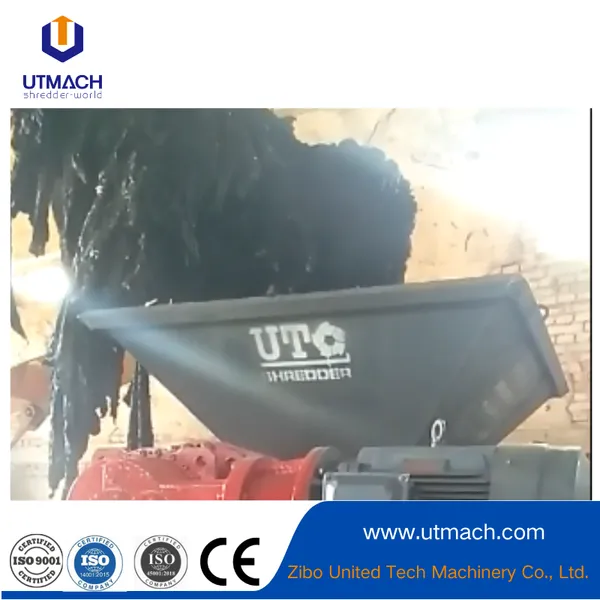
Zibo United Tech Machinery Co., Ltd
 Business License
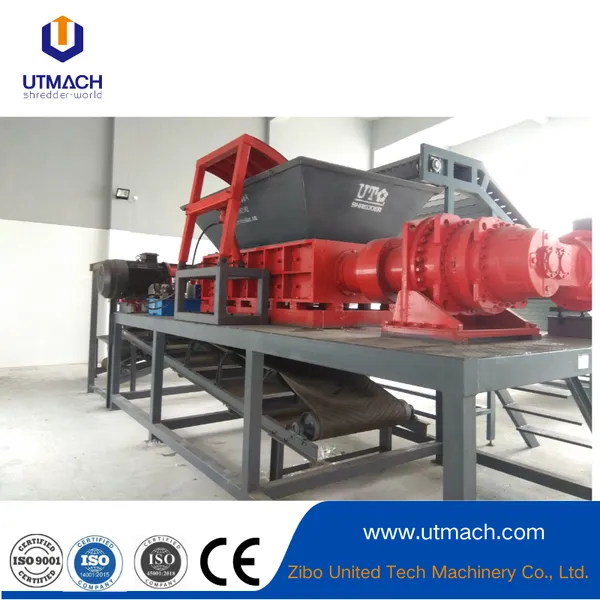
Main Products: double shaft shredder, single shaft shredder, granulator, crusher

Plastic Rebirth: A Closed-Loop Journey from Waste to New Life
Mrs. Scarlett
December 18, 2025
Plastic Recycling: From Trash Can to New Product, What Secrets Lie in This "Rebirth Journey"?
When you take out the trash in the morning, do you instinctively separate plastic bottles and takeout containers into different bins? As the sanitation truck roars past, these sorted plastic wastes embark on a "rebirth journey". With the upgrading of the "Plastic Restriction Order" and the growing popularity of environmental protection concepts, plastic recycling is no longer just a simple "waste collection" activity, but an industrial chain that is interlocking and combines technology with responsibility. Today, we will break down the complete route of plastic recycling and see how the plastic you discard casually can be transformed into new daily necessities.
Step 1: Source Classification – The "First Gate" of the Recycling Route
The starting point of plastic recycling has never been at the waste collection station, but beside every household's trash can. Although this step seems simple, it is crucial to determining the efficiency of the entire route. You may not know that the "plastic family" has many "members". There are more than a dozen common types, such as PET (mineral water bottles), HDPE (laundry detergent buckets), and PP (takeout containers). They have different melting points and densities, so their recycling values and treatment methods also vary greatly.
If different types of plastics are mixed together, a lot of manpower and material resources will be needed for sorting in the subsequent treatment process. In severe cases, the entire batch of materials may be scrapped due to mixed components. Nowadays, the "recyclable materials" classification implemented nationwide is to screen out valuable plastics at the source. For example, transparent PET bottles are "hot commodities" in the recycling market, and the recycling rate of PET with high purity can reach more than 90%. For PP takeout containers stained with oil, they need to be cleaned first before entering the next link. This is why the garbage classification guidelines emphasize that "leftovers should be emptied".
However, it is not easy to promote source classification. Many people still confuse the categories of "plastic foam" and "plastic bottles", and some people discard them randomly because they think it is "troublesome". But please remember that the 10 seconds you spend on classification can help plastic waste avoid the detour of "ineffective sorting" and directly enter the efficient recycling channel.
Step 2: Centralized Recycling and Transportation – Building a Bridge from "Waste to Factory"
After the sorted plastic waste is put into the recyclable bins in the community, their next stop is the "renewable resource recycling station". These stations may be intelligent recycling cabinets in the community or traditional waste collection stations, and they play the role of "preliminary collection". The staff will conduct secondary screening of the recycled plastics, remove the mixed impurities (such as bottle caps and labels, which are usually made of different materials), and pack the same type of plastics into bales.
Next, large transport vehicles will transport these packed plastic raw materials to the regional "renewable resource distribution center". This place is like a "plastic transfer station", where the plastics from different stations will be classified, weighed, and preliminarily treated more carefully. For example, the labels of PET bottles are torn off, the bottle caps are unscrewed, and the stains on the HDPE buckets are cleaned. After these steps are completed, the plastics will be transported to professional plastic recycling and processing plants in batches, officially starting their "transformation" journey.
Step 3: Processing and Treatment – The "Rebirth Moment" of Plastics
The processing plant is the core link of the plastic recycling route. Here, waste plastics will undergo a series of complex treatments to transform from "waste" into "raw materials". This process is mainly divided into four steps:
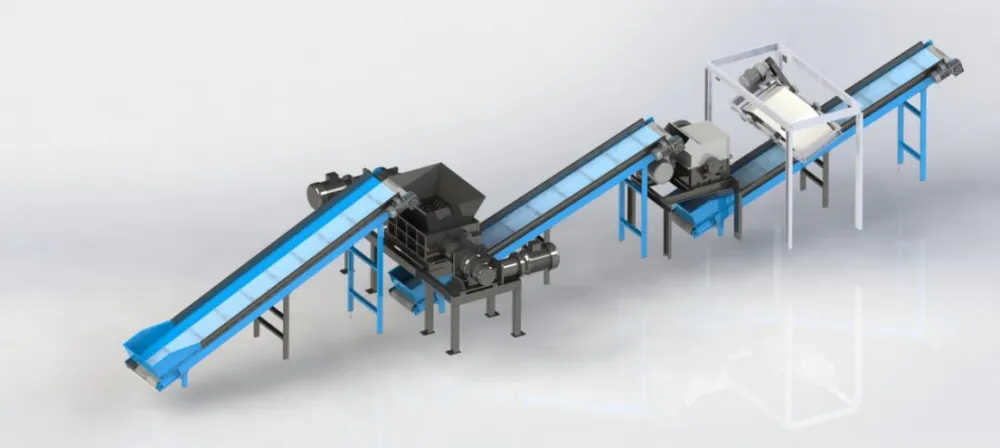
Step 1: Crushing. The recycled plastics will be sent to a crusher and cut into uniform-sized fragments. The purpose of this step is to increase the contact area between the plastic and the subsequent treatment agents and improve the treatment efficiency. For example, a complete PET mineral water bottle will be crushed into plastic flakes the size of a fingernail.
Step 2: Cleaning. The crushed plastic flakes will enter the cleaning line, and the oil stains, impurities, and residual label glue on the surface will be removed with clean water and detergent. For plastics with severe stains (such as takeout containers), high-temperature cleaning will also be carried out. The cleanliness of the cleaning directly affects the quality of the subsequent products, so this step is a key control link in the processing plant.
Step 3: Drying and Melting. The cleaned plastic flakes will undergo dehydration and drying treatment to remove the surface moisture. Then, the dried plastic flakes will be sent to an extruder and melted into plastic melt at high temperature. Different types of plastics have different melting points. For example, the melting point of PET is about 260℃, and the melting point of HDPE is about 130℃. Therefore, the temperature needs to be controlled accurately to avoid plastic decomposition.
Step 4: Pelletizing. The melted plastic melt passes through the die of the extruder and is cut into small particles. These particles are "recycled plastic pellets". Recycled plastic pellets are usually transparent or milky white in appearance, and their performance is similar to that of new plastics. They can be directly used as raw materials for the production of new plastic products.
Step 4: Reuse – The Closed Loop from "Old Plastic" to "New Product"
Recycled plastic pellets have a wide range of "uses", covering almost all aspects of our lives. According to the purity and performance of the pellets, they will be sent to different production enterprises and processed into various products:
High-purity recycled PET pellets will be used to produce new mineral water bottles and beverage bottles, or made into polyester fibers for filling clothes and quilts. Some of your "environmentally friendly fabric" clothes may come from the plastic bottles you once discarded. Recycled HDPE pellets are often used to produce laundry detergent buckets, trash cans, and drainage pipes for municipal engineering. Recycled PP pellets can be made into new takeout containers, plastic toys, and auto parts.
What is more surprising is that with the development of technology, the "closed loop" of plastic recycling is constantly improving. For example, some brands have realized the full-chain closed-loop production of "plastic bottle recycling → recycled pellets → new plastic bottles", truly achieving "where it comes from, where it goes back". Some enterprises also use recycled plastics in 3D printing materials, building insulation materials and other fields, further expanding the value of plastic recycling.
What Hurdles Need to Be Overcome on This "Rebirth Journey"?
Although the plastic recycling route has become increasingly mature, it still faces many challenges. For example, "low-value plastics" such as disposable plastic bags and plastic films are rarely accepted by recycling enterprises because of high recycling costs and low utilization rates, resulting in most of them being sent to landfills. Some plastic products adopt a "multi-material composite" design (such as food packaging bags with aluminum foil), which is difficult to separate and brings great difficulties to recycling. In addition, the market recognition of recycled plastics still needs to be improved. Some consumers have prejudices against "products made of recycled plastics", believing that their performance is not as good as that of new plastics.
However, these problems are being solved gradually. On the one hand, the government encourages enterprises to recycle low-value plastics by introducing subsidy policies and improving the recycling system. On the other hand, technological progress has continuously made breakthroughs in the separation technology of composite plastics, and the performance of recycled plastics has also been continuously improved. More importantly, more and more people have begun to recognize the concept of environmental protection, actively participate in garbage classification, and choose "recycled plastic products", injecting a steady stream of power into this "rebirth journey".
Final Words: Everyone Is a "Participant" in the Recycling Route
Plastic recycling has never been the responsibility of a single enterprise or department, but a systematic project that requires the joint participation of the whole society. From the moment you classify and put in the first plastic bottle, you have already contributed to this "rebirth journey". You may feel that your strength is small, but when the strength of thousands of people gathers together, it can help more plastic waste get rid of the fate of "landfill" and realize the recycling of resources.
Next time you throw away plastic waste, take a little more time to classify it carefully. Because every plastic bottle and every lunch box in your hand may return to your life in a new form in the near future. This is the most romantic meaning of plastic recycling – putting an end to waste and giving resources a new life.
Share
Recently Posted
-
The Gentle Redemption of Steel Giants: The Cycle Code in Shredders
April 7, 2026Shredder Selection & Application Guide As resource recycling becomes essential, shredders are key to cost reduction, effi Read More
 -
Shredder Selection & Application Guide
April 7, 2026Shredder Selection & Application Guide: Solving Industry Pain Points With resource recycling a top priority, shredders ar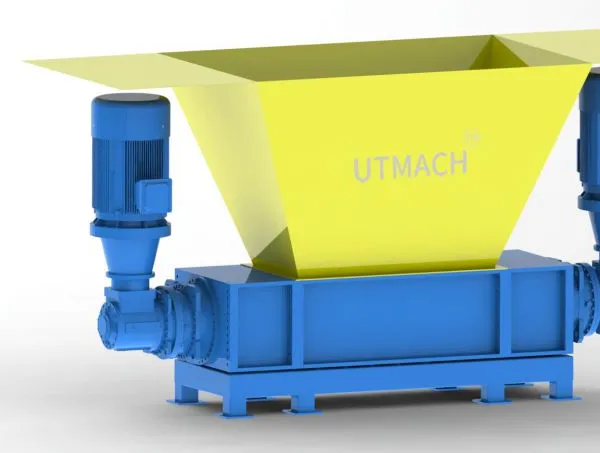 Read More
 -
Turn End-of-Life Car Shells Into Valuable Resources
April 7, 2026UTMACH Automobile Shell Recycling LineAmid global focus on circular economy and sustainability, end-of-life vehicle recycling is c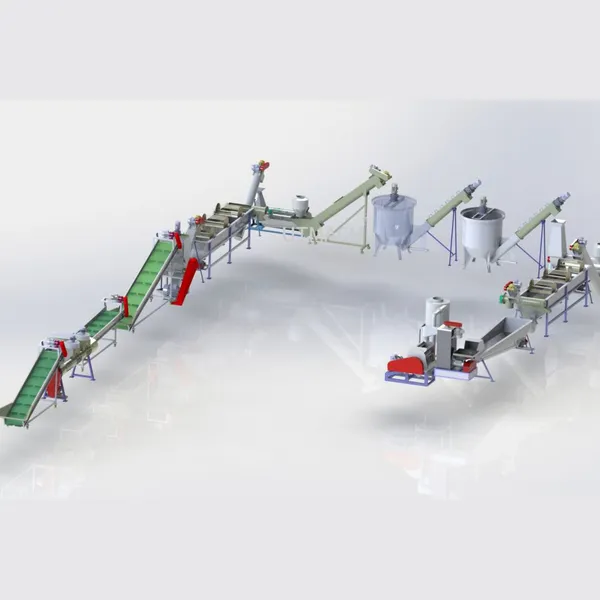 Read More
 -
Shredders: A Powerful Boost for Green Circulation
April 7, 2026Shredders: The Unsung Hero in Global Environmental Protection In the global drive for environmental sustainability and a circ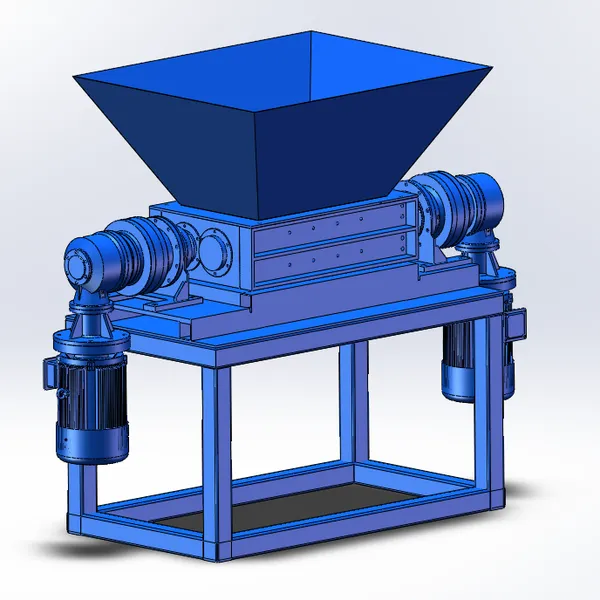 Read More

Contact Us
Recommended Products
-
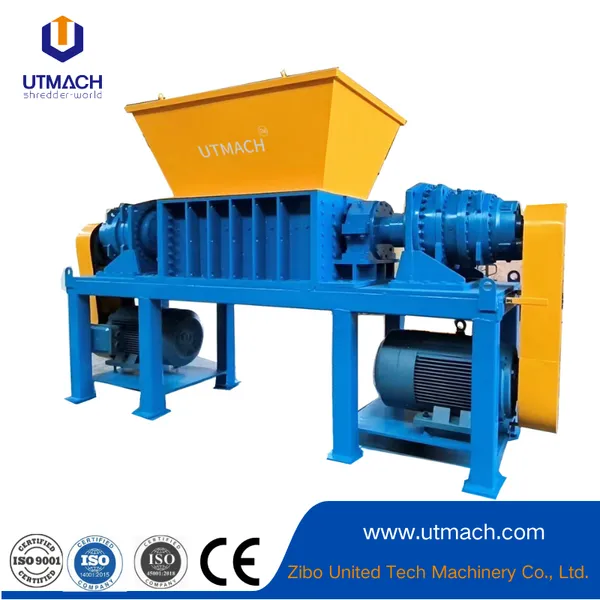
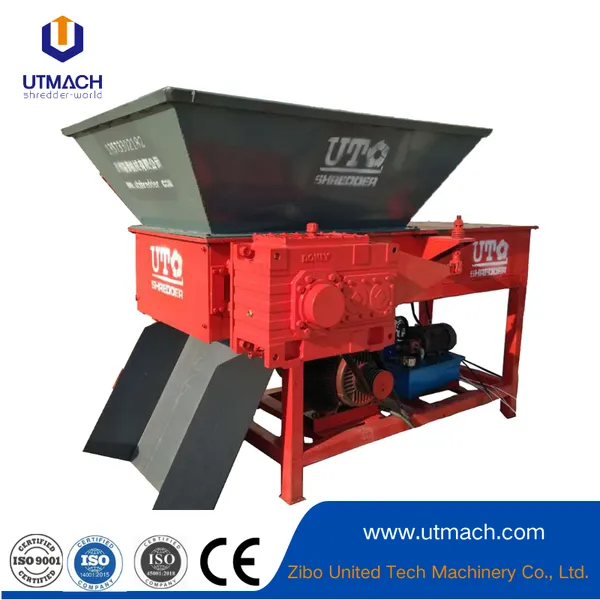
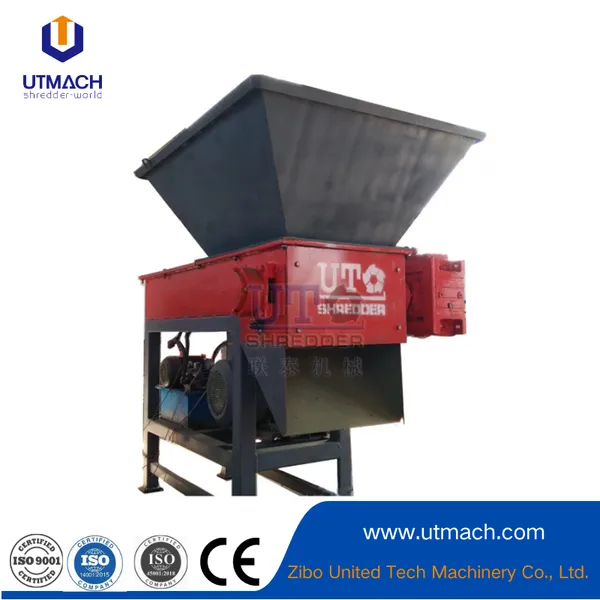
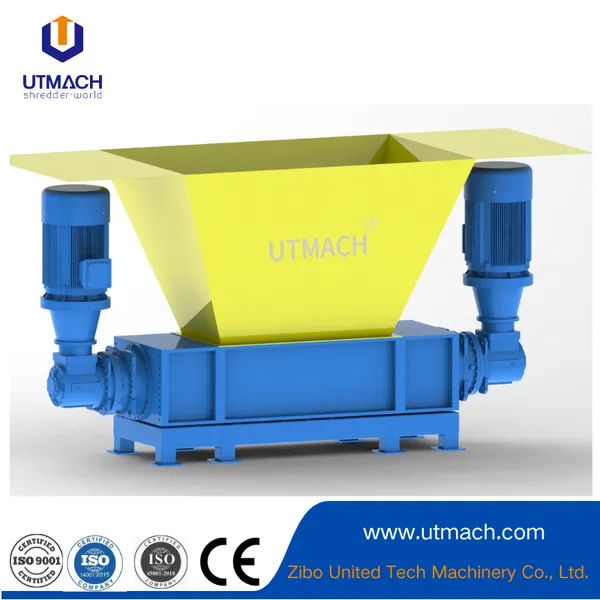
 1 Rotor Shredding Machine SupplierUS$ 50000 - 80000MOQ: 1 Set
 -
One Shaft Shredding MachinesUS$ 50000 - 80000MOQ: 1 Set
-
One Shaft Shredding Machines for Waste Material Size Reduction Recycling MachineUS$ 10000 - 30000MOQ: 1 Set
-
Single Shaft Shredding Machine Recycling MachineUS$ 8000 - 10000MOQ: 1 Set
-
Single Shaft Shredder One Rotor Shredding MachineUS$ 40000 - 60000MOQ: 1 Piece
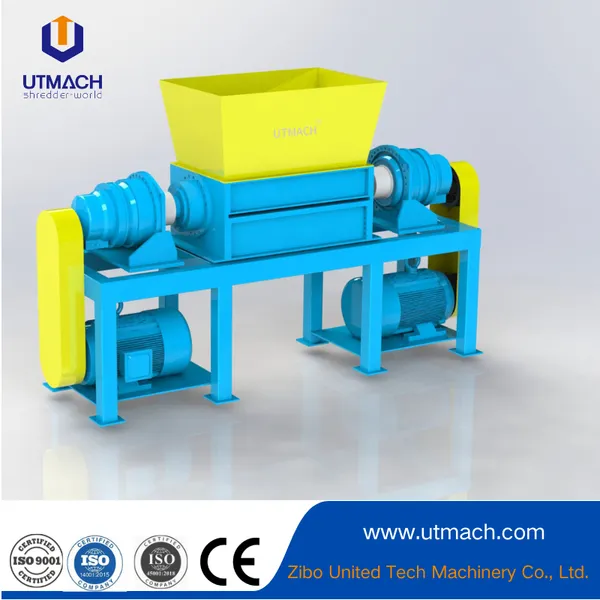
-
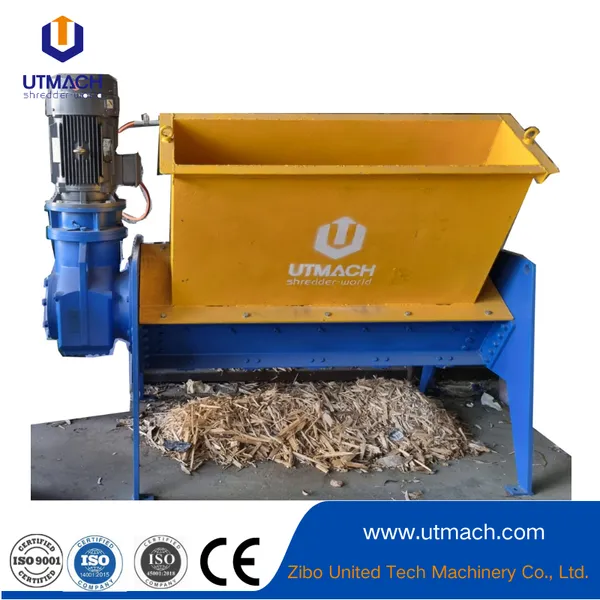
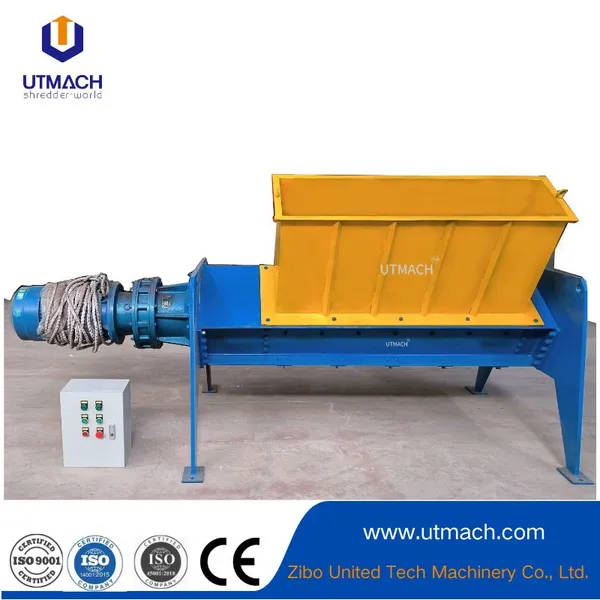
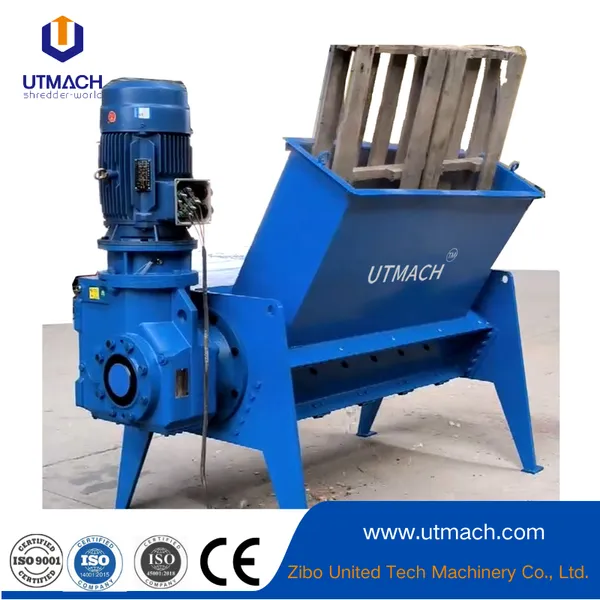
P32130K P Series Wood Pallet ShredderNegotiableMOQ: 1 Set
-
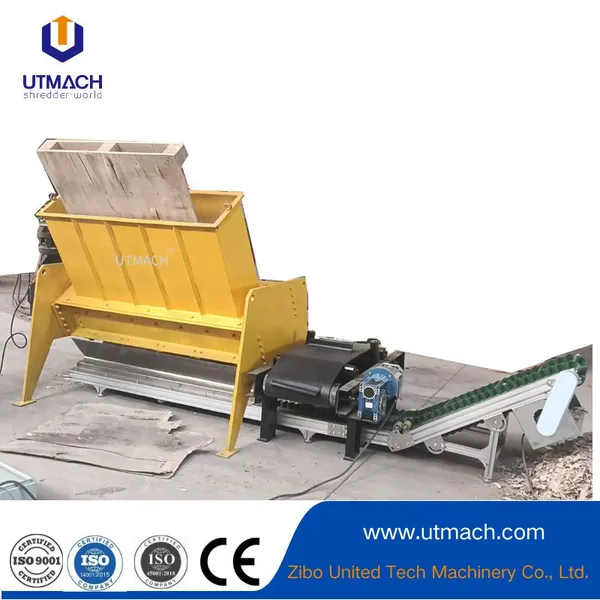
P32130K P Series Wood Pallet Shredder With Conveyor Magnetic SeparatorNegotiableMOQ: 1 Set
-
P32130 P Series Wood Pallet Shredder Pallet Crusher MachineNegotiableMOQ: 1 Set
-
Popular P32130K P Series Wood Pallet Shredder UTMACHNegotiableMOQ: 1 Set
-
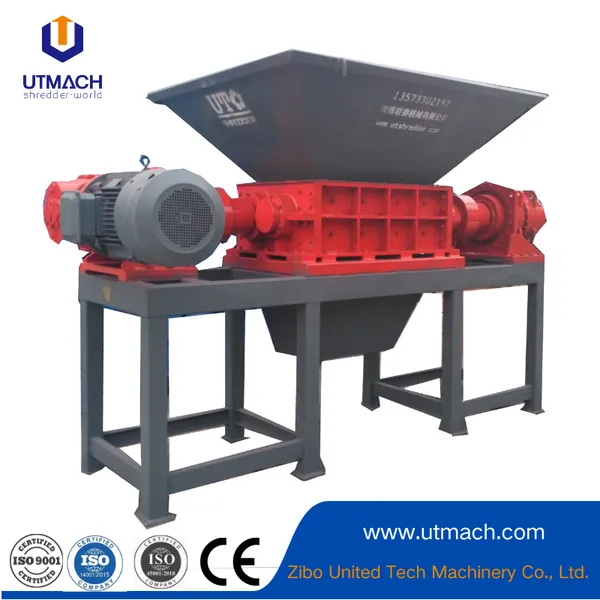
Double Shaft Shredders Heavy Duty Shredding MachinesUS$ 30000 - 60000MOQ: 1 Piece
-
Two Shaft Shredders Machine Supplier 2 Shaft ShredderUS$ 30000 - 60000MOQ: 1 Piece
-
Two Rotor Shredding Machines Double Rotor ShredderUS$ 25000 - 50000MOQ: 1 Piece
-
Double Shaft Shredders Factory SupplierUS$ 25000 - 60000MOQ: 1 Piece
-
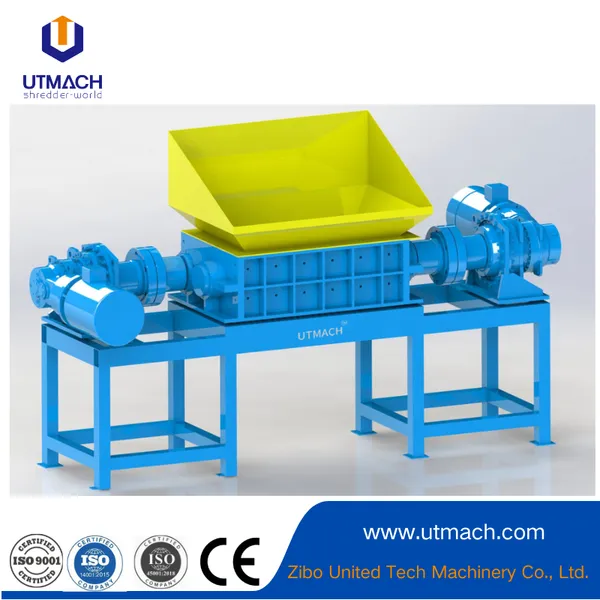
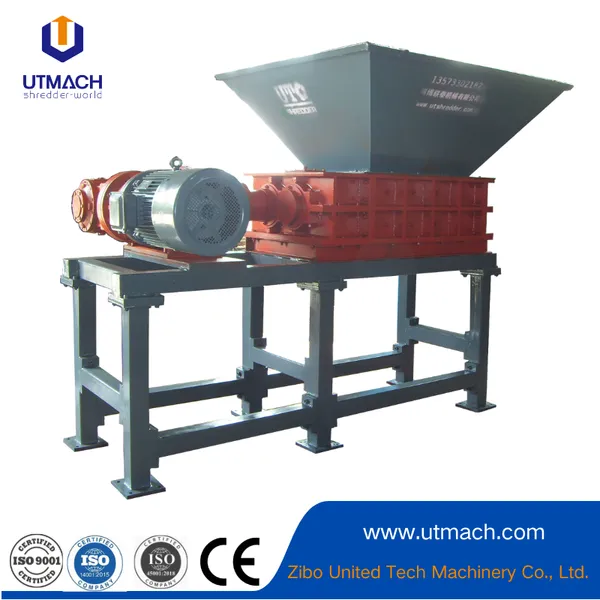
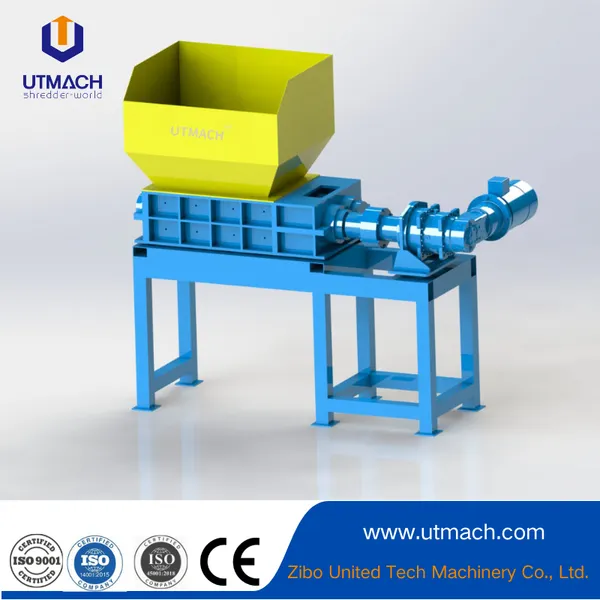
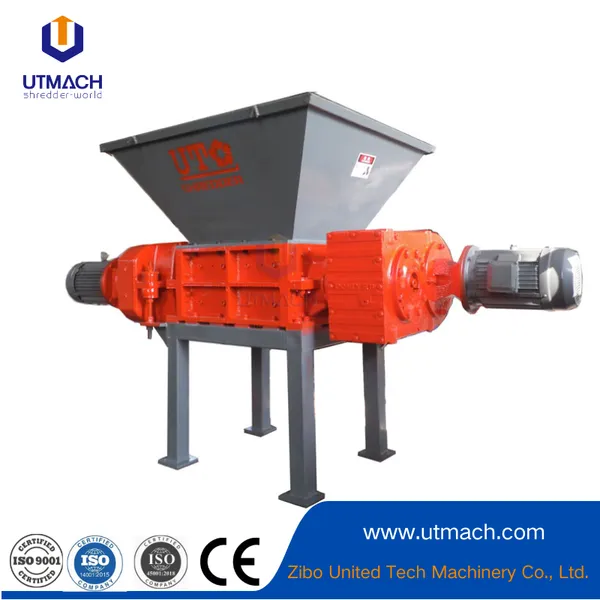
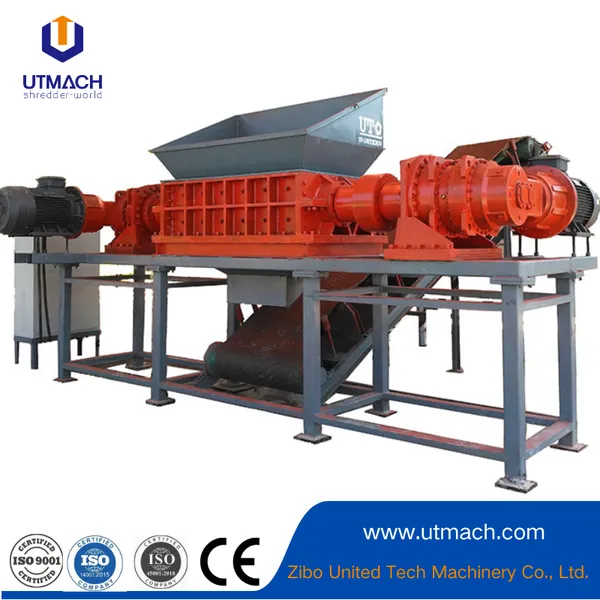
Waste Plastic Shredding Machine 2 Shaft ShredderUS$ 30000 - 60000MOQ: 1 Piece
-
Tire Shredding Machine Tyre Shredder FactoryUS$ 30000 - 60000MOQ: 1 Piece
-
e- Waste Double Shaft Shredders Hard Drive Shredding MachineUS$ 30000 - 60000MOQ: 1 Piece
-
Ragger Wire Shredding Machine SupplierUS$ 30000 - 60000MOQ: 1 Piece
-
Pulp Rope Shredding Machine, Pulpy Paper ShreddersUS$ 30000 - 60000MOQ: 1 Piece
-
Oil Sludge Shredder Machine Sludge Shredding MachineUS$ 30000 - 60000MOQ: 1 Piece
-
Metal Shredders Machine Double Shaft Shredders Heavy Duty ShredderUS$ 30000 - 60000MOQ: 1 Set